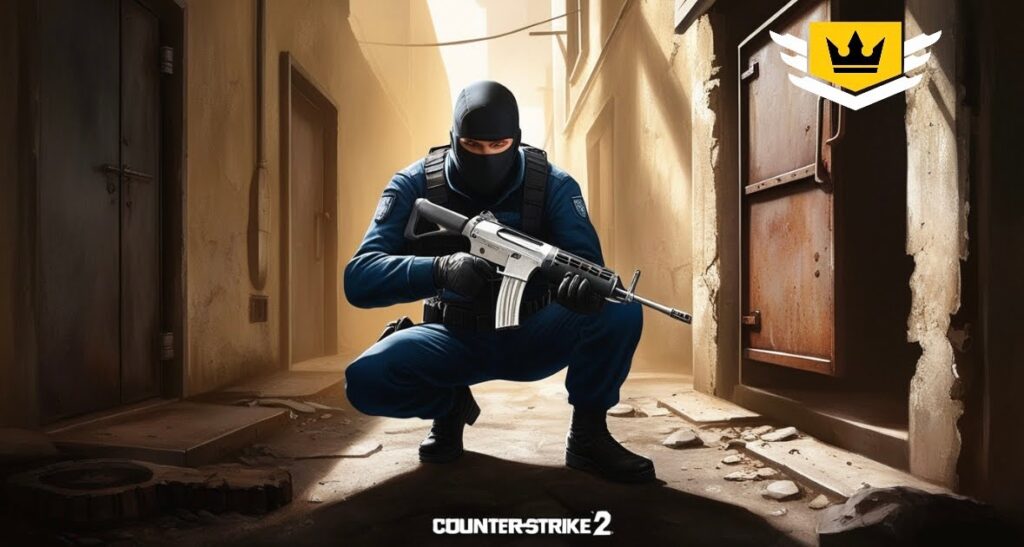
Understanding CS2 Anti-Cheat: How It Works and Its Impact on Gameplay
Understanding CS2 Anti-Cheat is crucial for players who want a fair gaming experience. CS2's anti-cheat system employs advanced algorithms and machine learning to identify and eliminate cheating behaviors. By monitoring player actions and analyzing gameplay patterns, the system can detect irregularities that might indicate cheating, such as aimbots or wallhacks. This proactive approach not only enhances the integrity of the game but also ensures that players who commit to fair play can enjoy a balanced competitive environment. CS2 Anti-Cheat represents a significant advancement in online gaming security.
The impact of CS2 Anti-Cheat on gameplay cannot be overstated. With a robust detection system in place, players are more likely to face opponents who rely on skill rather than unfair advantages. This shift fosters a more engaging and immersive experience where strategies, teamwork, and individual talent take center stage. Players can expect frequent updates and improvements to the anti-cheat mechanisms, which will further refine their gaming experience. In essence, understanding CS2 Anti-Cheat means recognizing its role in shaping a healthier and more competitive gameplay atmosphere.
Counter-Strike, a popular first-person shooter game, has captivated players worldwide with its intense tactical gameplay and competitive scene. One of the exciting aspects of the game is customizing your character and gear, especially with options like CS2 Christmas Loadouts that enhance your in-game style. Whether you're playing casually or in high-stakes tournaments, the variety of weapons and strategies keeps the experience fresh and engaging.
The Fine Line Between Fair Play and Overreach: Is CS2 Anti-Cheat Too Harsh?
The debate surrounding fair play and anti-cheat measures in gaming has reached new heights with the introduction of CS2's anti-cheat system. Gamers have long advocated for a level playing field, where skill and strategy reign supreme, but the line between maintaining that fairness and overreach can become blurred. While the intention behind strict anti-cheat protocols is to eliminate cheating and enhance the overall gaming experience, some players argue that CS2's anti-cheat has gone too far. Instances of false positives—where innocent players are flagged or banned—have sparked frustration within the community, leading to concerns about how diligently the system evaluates player conduct.
Critics assert that while it is vital to uphold the integrity of competitive gameplay, CS2's anti-cheat might inadvertently penalize dedicated players simply striving to improve their skills. The question lies in finding a balance that allows for fair competition without infringing on the rights of players who are, in fact, adhering to the game's rules. As developers work to refine their anti-cheat measures, players hope for transparency and fairness, highlighting the need for constant communication between the gaming community and developers to ensure that measures meant to protect do not turn into tools of oppression.
Common Myths About CS2 Anti-Cheat: What Every Player Should Know
When it comes to CS2 Anti-Cheat, misconceptions abound among players, leading to confusion and misinformation. One of the most prevalent myths is that the anti-cheat system is entirely infallible. While the system is designed to detect and ban cheaters effectively, it is not perfect. Players often believe that they will never face a cheater in matches, but the reality is that the system continually evolves, and some sophisticated cheats may slip through the cracks temporarily.
Another common myth is that reporting a player will result in an immediate ban. Many gamers think that simply by reporting suspicious behavior, action will automatically be taken against the offender. However, the CS2 Anti-Cheat operates on a more complex algorithm and requires multiple data points to confirm cheating behavior before issuing a ban. It's crucial for players to understand that while reporting is beneficial, it is just one component of a larger system that maintains fair gameplay.