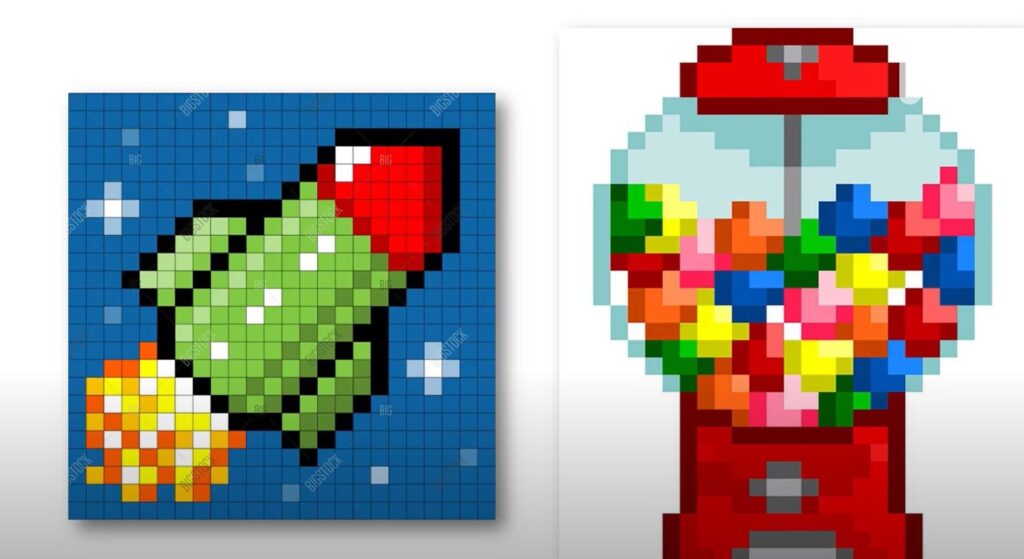
The Magic of Pixel Art: Understanding the Basics and Techniques
Pixel art is a fascinating digital art form that relies on the creative use of small squares or 'pixels' to craft images, often evoking a sense of nostalgia linked to retro gaming. Understanding the basics of pixel art involves familiarizing oneself with tools like grid systems and pixel-based software, such as Aseprite or Photoshop. Aspiring pixel artists should focus on mastering key techniques, which include limiting color palettes to create depth and character, along with practicing proper pixel placement to maintain clarity and style in their artwork.
To truly grasp the magic of pixel art, artists often engage in iteration, where they continuously refine their designs through layering and adjusting colors. Additionally, studying popular pixel art works can provide inspiration and insight into effective composition and character design. Resources like online tutorials, communities, and pixel art challenges can be extremely beneficial for budding artists looking to enhance their skills and connect with like-minded creatives.
Counter-Strike is a highly popular tactical first-person shooter game that has been a staple in the esports community for years. Players can engage in intense multiplayer matches, competing as terrorists or counter-terrorists to complete objectives. For gamers looking for the best accessories, check out the Top 10 Wireless Chargers for Pixel Devices to ensure their devices stay charged during long gaming sessions.
Exploring Color Theory in Pixel Art: Tips for Crafting Dynamic Visuals
Exploring Color Theory in pixel art is essential for creating compelling and dynamic visuals. Understanding how colors interact with each other can significantly enhance the emotional impact of your artwork. One of the foundational concepts of color theory is the color wheel, which categorizes colors into primary, secondary, and tertiary hues. By utilizing complementary colors (those opposite each other on the wheel), artists can create striking contrasts that draw attention and create depth. Additionally, experimenting with analogous colors (those next to each other on the wheel) can provide a harmonious feel that is visually pleasing.
When crafting scenes in pixel art, consider the use of shading and highlighting to add dimension. A technique known as color blocking involves using flat areas of color to define shapes before adding finer details. To prevent your palette from becoming overwhelming, limit yourself to a small selection of colors—ideally, a limited palette of four to six colors. This not only maintains visual consistency but also emphasizes the most critical elements of your artwork. Remember, practice and experimentation with these principles of color theory will yield the most effective results in your pixel art creations.
How to Create Depth and Texture in Pixel Art: A Step-by-Step Guide
Creating depth and texture in pixel art is essential for bringing your designs to life. To start, focus on using a limited color palette, which helps in achieving cohesion and consistency. Begin by mapping out your basic shapes and then layering your colors. Utilize darker shades on the edges to establish shadows and lighter shades in the center to create highlights. This contrast not only enhances the depth of the artwork but also adds a three-dimensional feel.
Next, consider incorporating texture through patterns and varying pixel placement. For instance, when designing grass, mix different green shades and scatter dark and light pixels randomly to simulate unevenness. Adding details like noise, dithering, or even small variations in color can make a significant difference. Remember to take breaks and step back from your artwork; this helps in assessing the depth and texture of your creation from a fresh perspective.