How Blockchain is Revolutionizing In-Game Economies
The advent of blockchain technology is fundamentally transforming in-game economies by providing enhanced transparency and security. Traditional gaming ecosystems often rely on centralized servers, leading to issues such as fraud, lack of ownership, and restricted trading. With blockchain, players can truly own their in-game assets as these items are represented as non-fungible tokens (NFTs). Each NFT exists on a public ledger, ensuring that ownership is clear and tamper-proof. As a result, players can trade, sell, or even leverage their assets in ways that were previously unimaginable.
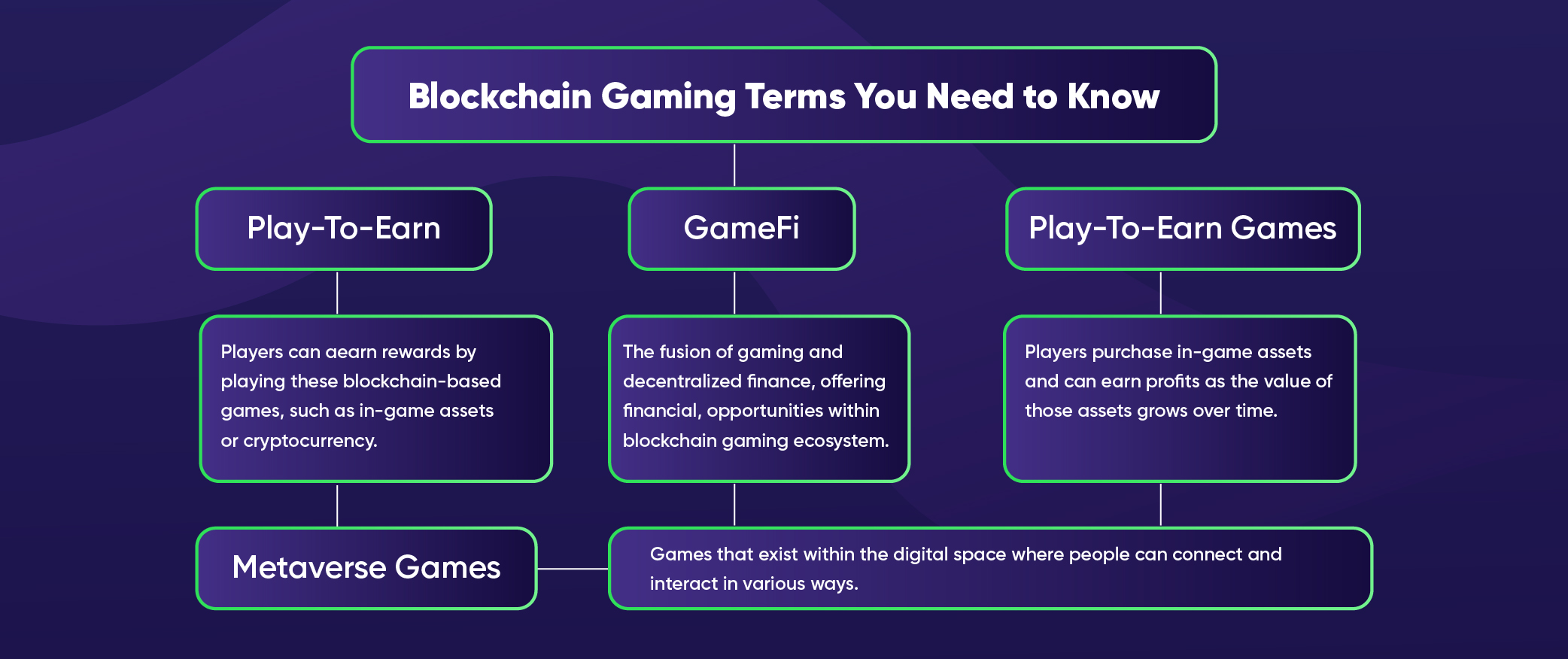
Additionally, blockchain's decentralized nature encourages a more balanced economy within games. Developers can implement smart contracts that dictate the rules of transactions without the need for intermediaries. This not only reduces costs associated with in-game purchases but also enables players to earn real value from their gaming activities. For instance, players can accumulate cryptocurrency through gameplay, which can be exchanged for real-world currency. This shift is leading to a rise in play-to-earn models, revolutionizing how gamers interact with virtual worlds and underscoring the potential of blockchain to reshape the future of gaming.
Counter-Strike is a popular tactical first-person shooter game that pits teams of terrorists against counter-terrorists in various objective-based game modes. Players engage in intense matches that require teamwork, strategy, and quick reflexes. For those looking to enhance their gaming experience, you can find exciting offers with the rollbit promo code to get benefits while playing.
Top 5 Blockchain Games You Need to Play Right Now
Blockchain gaming is rapidly transforming the way we interact with digital worlds, offering players true ownership of their in-game assets and novel play-to-earn models. Here are the Top 5 Blockchain Games You Need to Play Right Now that are must-tries for enthusiasts and newcomers alike:
- The Sandbox - A user-generated content platform where players can create, own, and monetize gaming experiences.
- Axie Infinity - A Pokémon-inspired metaverse that lets players breed, battle, and trade adorable creatures called Axies.
- Decentraland - A virtual reality platform powered by the Ethereum blockchain, allowing users to explore, create, and trade in a 3D world.
- Gods Unchained - A trading card game that combines strategic gameplay with true ownership of cards enabled by blockchain technology.
- Illuvium - An open-world RPG and auto-battler where players capture and battle creatures called Illuvials in a visually stunning environment.
What Are NFTs and How Do They Impact the Gaming Industry?
Non-Fungible Tokens (NFTs) are unique digital assets that represent ownership of a specific item or piece of content on a blockchain. Unlike cryptocurrencies such as Bitcoin or Ethereum, which are fungible and interchangeable, NFTs are one-of-a-kind tokens that can symbolize ownership of digital art, collectibles, music, and even in-game assets. In recent years, they have emerged as a revolutionary technology in various industries, particularly the gaming sector, where they are transforming how players interact with games and digital items.
The impact of NFTs on the gaming industry is profound and multifaceted. For instance, players can buy, sell, and trade in-game items as NFTs, granting them true ownership and the ability to profit from their gaming experience. This shift not only enhances player engagement but also introduces new economic models within gaming ecosystems. Additionally, NFTs empower developers to create unique, limited-edition content that can drive player interest and investment, fostering a vibrant marketplace where creativity and monetization go hand in hand.