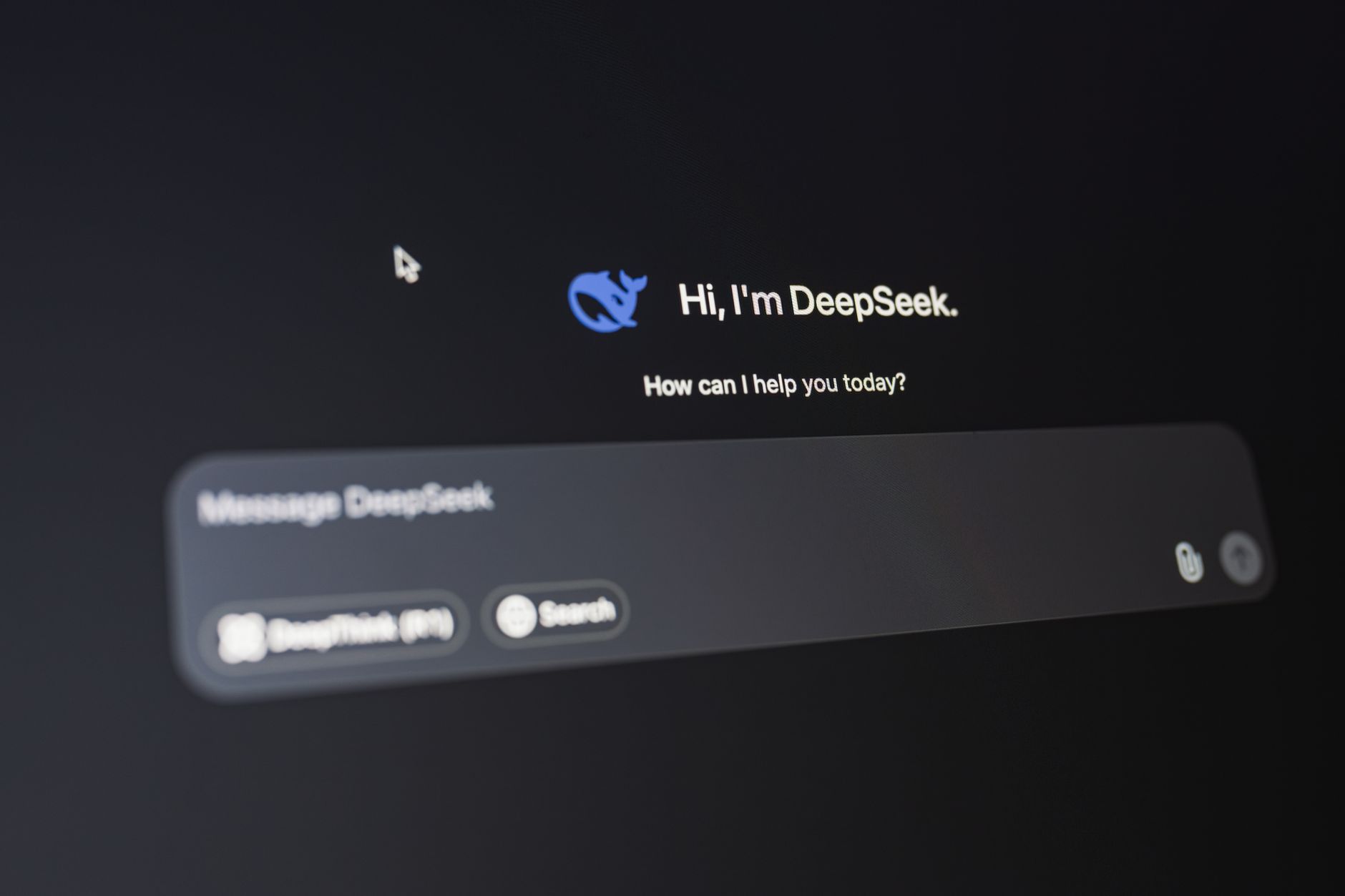
Understanding DeepSeek Chat V3: Beyond the Basics & Common Questions
Delving into DeepSeek Chat V3 means moving beyond simple conversational AI and appreciating its advanced architectural underpinnings. This iteration likely incorporates sophisticated transformer models, potentially leveraging techniques like Mixture-of-Experts (MoE) or novel attention mechanisms to enhance both efficiency and the quality of generated responses. Unlike previous versions, V3 demonstrates a marked improvement in understanding nuanced context, tackling complex multi-turn dialogues, and generating more coherent, factually grounded outputs. Developers and users alike will find its enhanced reasoning capabilities and reduced propensity for hallucinations to be significant step-changes. Understanding these foundational improvements is key to unlocking its full potential, whether for intricate content generation or highly specialized chatbot deployments.
Beyond the technical jargon, understanding DeepSeek Chat V3 also involves grasping its practical implications and addressing common user questions. Many inquire about its training data – does it include proprietary datasets, and how frequently is it updated? Others are curious about its fine-tuning capabilities:
- Can it be effectively fine-tuned on custom datasets for niche applications?
- What are the best practices for prompt engineering to maximize its performance?
- How does its performance compare to other leading large language models (LLMs) in specific benchmarks, especially regarding multilingual support and code generation?
Integrating DeepSeek Chat V3: Practical Tips & Real-World Solutions
Integrating DeepSeek Chat V3 into your existing workflows isn't just about plugging in an API; it's about unlocking a new level of efficiency and innovation. To truly leverage its capabilities, consider starting with a clear understanding of your specific use cases. Are you aiming for enhanced customer service with intelligent chatbots, streamlined content generation for your blog, or perhaps sophisticated data analysis? Identify the pain points DeepSeek Chat V3 can address and then focus on fine-tuning its responses. Implementing robust error handling and fallback mechanisms is also crucial for a seamless user experience. Remember, the goal is to create a symbiotic relationship where the AI augments human intelligence, not replaces it, leading to genuinely transformative real-world solutions.
For practical implementation, begin with a modular approach. Develop smaller, focused integrations that tackle specific tasks before scaling up. This allows for easier debugging and optimization. Consider:
- Prompt Engineering: Experiment with various prompt structures to elicit the most accurate and relevant responses. DeepSeek Chat V3 thrives on clear, precise instructions.
- Context Management: Implement strategies to maintain conversational context, especially for multi-turn interactions, ensuring the AI understands the ongoing dialogue.
- Feedback Loops: Establish mechanisms for collecting user feedback on the AI's performance. This data is invaluable for continuous improvement and model refinement.
"The future of AI integration lies in its seamless, almost invisible presence, enhancing user experience without distraction." - [Your Blog Name]By following these tips, you'll be well-positioned to harness the full power of DeepSeek Chat V3, transforming your operations and delivering exceptional value.