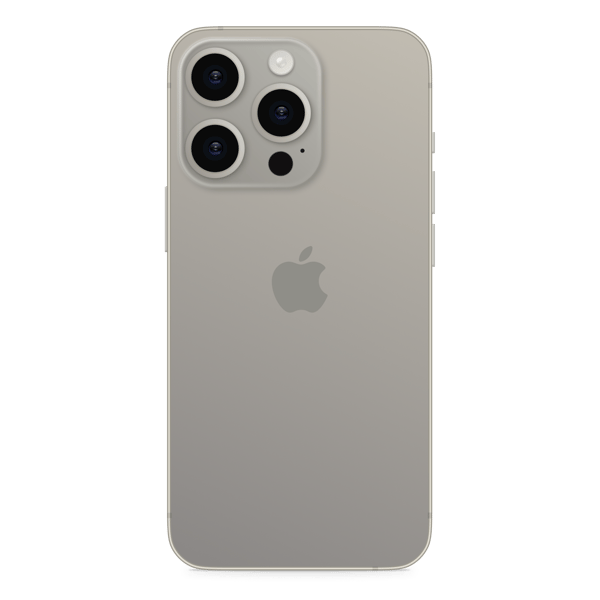
How the iPhone Revolutionized Communication: A Deep Dive
The launch of the iPhone in 2007 marked a pivotal moment in the evolution of communication. With its sleek design and intuitive touchscreen interface, the iPhone not only redefined the smartphone experience but also altered how we interact with technology. Its integration of advanced features such as internet browsing, email, and various multimedia applications facilitated seamless connectivity, enabling users to engage in real-time communication regardless of their location. The introduction of the App Store further enhanced this connectivity, allowing developers to create thousands of apps that catered to diverse communication needs, ultimately leading to a more interconnected world.
Moreover, the iPhone's impact on communication goes beyond just functionality; it has shaped social norms and behaviors. The rise of instant messaging applications, social media platforms, and video calling services has transformed the way we connect with others. Features like FaceTime and messaging apps have minimized the distance between friends and family, fostering a new era of virtual communication. In the age of the iPhone, people can share experiences instantly, whether through a text, a video call, or social media updates, thus creating a culture that prioritizes immediate interaction and accessibility like never before.
Counter-Strike is a popular first-person shooter game that has captivated players since its initial release in 1999. Known for its team-based gameplay, it pits terrorists against counter-terrorists in various scenarios. For those looking to enhance their gaming experience, check out the Top 10 iphone accessories under 25, which offers great tools to elevate your mobile gaming.
10 Ways the iPhone Changed Our Daily Interactions
The iPhone has significantly transformed our daily interactions by seamlessly integrating technology into our lives. One of the most notable changes is how we communicate. Traditional phone calls and face-to-face conversations have taken a backseat to instant messaging and social media platforms, allowing us to stay connected with friends and family at the touch of a button. This shift has given rise to new forms of communication that are not only faster but also more visual and engaging, including emojis, stickers, and videos. Moreover, the ability to share experiences in real-time through platforms like Instagram and Snapchat has reshaped how we engage with one another.
Additionally, the iPhone has revolutionized the way we consume and share information. With access to the internet at our fingertips, we can easily search for information, access news, and share content with others. This accessibility has facilitated a more informed public and has transformed how communities organize around events or causes. Social activism has found a new avenue through the power of the iPhone, allowing users to mobilize and spread awareness about various issues quickly. In essence, the iPhone has become a crucial tool that strengthens both our personal and social interactions, ushering in a new era of connectivity.
Is the iPhone Really the Most Impactful Device of Our Time?
The iPhone has undeniably changed the way we communicate, work, and interact with the world around us. Launched in 2007, it revolutionized the mobile phone industry by combining a phone, an internet communicator, and a handheld media device into one compact gadget. This integration not only set a new standard for smartphone design but also paved the way for the app economy, allowing millions of developers to create software that enhances our daily lives. With its intuitive interface and user-friendly design, the iPhone has made technology accessible to a broader audience, solidifying its status as one of the most impactful devices of our time.
Beyond just being a personal device, the impact of the iPhone extends into various industries, such as education, healthcare, and entertainment. For instance, in education, the availability of educational apps has transformed traditional learning methods, empowering students and educators alike. In healthcare, applications for monitoring health and fitness have begun to change how we approach wellness and medical care. Furthermore, the iPhone has fostered a culture of connectivity, enabling people to stay in touch across the globe with ease. Given its profound effects on society and various sectors, one could argue that the iPhone not only reflects technological advancement but also shapes our daily lives in ways previously unimaginable.