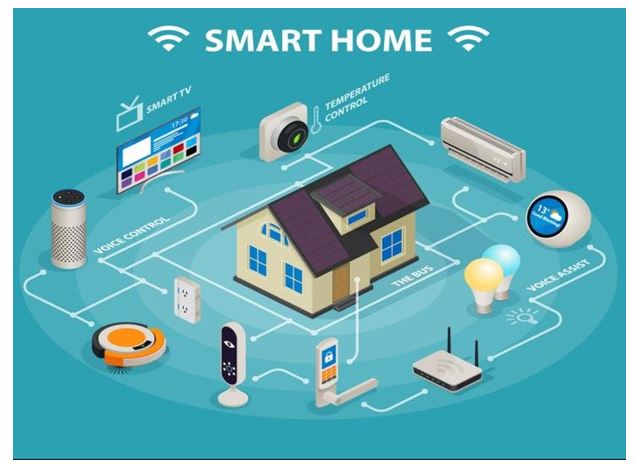
10 Must-Have Smart Home Devices for a High-Tech Haven
Transforming your living space into a high-tech haven starts with integrating the right devices. Here are 10 must-have smart home devices that will not only enhance your convenience but also elevate your home's functionality:
- Smart Speaker: Control your home with voice commands, stream music, and manage your schedule effortlessly.
- Smart Thermostat: Optimize your energy consumption while ensuring a comfortable temperature year-round.
- Smart Lighting: Adjust your home’s ambiance with customizable lighting settings that can be controlled remotely.
- Smart Security Cameras: Keep an eye on your property with real-time video feeds and alerts sent straight to your smartphone.
- Smart Doorbell: Know who’s at your door with a video doorbell that combines convenience and security.
In addition to the aforementioned devices, consider these final five essentials for a truly high-tech home:
- Smart Locks: Enhance your home’s security with keyless entry systems that can be managed from your smartphone.
- Smart Plugs: Turn any appliance into a smart device with plugs that allow you to control them remotely.
- Smart Smoke and CO Detectors: Ensure safety with detectors that send alerts directly to your phone during emergencies.
- Smart TV: Bring entertainment to life with a TV that connects to the internet, allowing streaming from various platforms.
- Smart Robot Vacuum: Keep your floors clean without lifting a finger, as these vacuums navigate and clean on their own.
Counter-Strike is a popular tactical first-person shooter game that pits teams of terrorists against counter-terrorists in various objective-based missions. Players often strategize and communicate to outsmart opponents while working together to complete objectives. For those interested in enhancing their gaming experience, check out the Top 10 smart home accessories that can make gaming sessions more enjoyable.
How to Create a Seamless Smart Home Experience: Tips and Tricks
Creating a seamless smart home experience requires careful planning and integration of various smart devices. First, it's essential to choose devices that are compatible with one another to avoid connectivity issues. Start by selecting a central hub, like a smart speaker or smart home controller, which can manage all your devices. Here's a quick checklist to consider when setting up your smart home:
- Research compatibility: Ensure devices can communicate with each other.
- Prioritize usability: Opt for user-friendly interfaces.
- Choose reliable brands: Look for brands with positive reviews and established track records.
Once you have your devices in place, focus on optimizing your smart home settings. Personalizing routines can significantly enhance your daily life. For example, set up automated lighting that adjusts according to the time of day or program your thermostat to learn your preferences over time. Furthermore, consider security features like smart cameras and door locks to ensure your home is safe. Remember, a cohesive smart home experience not only saves time but also reduces energy consumption, paving the way for a smarter, more efficient living environment.
Are Smart Homes Really Safe? Debunking Myths and Exploring Security
The rise of smart homes has introduced a myriad of conveniences and efficiencies, but it has also raised concerns regarding their safety. Many people worry that the interconnected devices in a smart home create vulnerabilities that can be exploited by cybercriminals. However, it's essential to debunk the myth that all smart home devices are inherently unsafe. Properly configured devices, regular software updates, and robust security protocols can significantly mitigate risks. In fact, many smart devices come equipped with advanced security features that prioritize user privacy and data protection.
Another common misconception is that smart home technology is too complicated for the average user to secure. This couldn't be further from the truth. Most manufacturers provide straightforward instructions for setting up security features, such as two-factor authentication and unique passwords. Creating a strong, individual password for each device, regularly updating firmware, and utilizing network security measures like firewalls can greatly enhance the security of a smart home. By being proactive and informed, homeowners can enjoy the benefits of a smart home without compromising on safety.