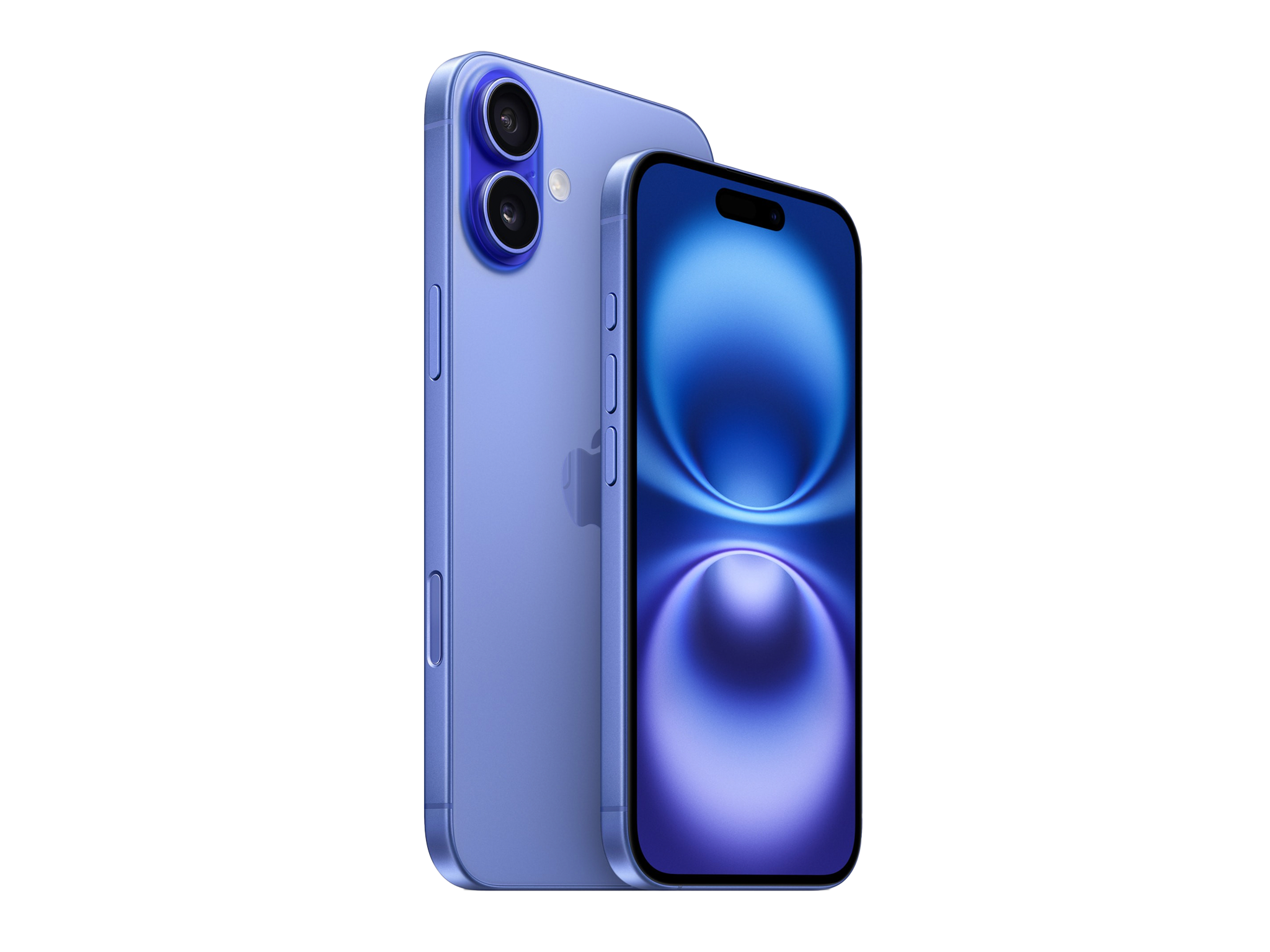
How Smartphones Are Revolutionizing Daily Life: A Deep Dive
The advent of smartphones has dramatically transformed our daily lives, facilitating unprecedented connectivity and convenience. Gone are the days when communication was limited to landlines and face-to-face interactions. Today, smartphones serve as multifunctional devices that integrate a vast array of features, making them indispensable tools for both personal and professional tasks. Whether it's through instant messaging apps or social media platforms, individuals can stay connected with family, friends, and colleagues around the globe, fostering relationships that transcend geographical barriers.
Moreover, smartphones have revolutionized how we access information and manage our daily activities. Using a simple tap, users can access news, tutorials, and entertainment, turning their devices into pocket-sized libraries. Applications designed for productivity, like calendars and task management tools, help users organize their schedules and enhance efficiency. In essence, the revolution brought about by smartphones is not just about communication but also about empowering users to take control of their time and information in an ever-accelerating digital world.
Counter-Strike is a popular tactical first-person shooter game that has captivated millions of players around the world. The game features intense team-based gameplay where players compete to complete objectives, such as bomb defusal or hostage rescue. For players who enjoy using their mobile devices while gaming, check out these Top 10 One Hand Grips for iPhone to enhance your gaming experience.
The Future of Smartphones: What Innovations Are Coming Next?
The future of smartphones is poised to be revolutionary, driven by advancements in technology and a surge in consumer expectations. One of the most anticipated innovations is the integration of artificial intelligence at every level of smartphone functionality. From personalized user experiences to enhanced photography, AI will play a crucial role in how we interact with our devices. Additionally, the rise of 5G technology promises to deliver faster internet speeds, facilitating richer experiences such as augmented reality (AR) and virtual reality (VR) applications that were previously unimaginable. With this foundation, we can expect smartphones to evolve into powerful hubs for connectivity, entertainment, and productivity.
Furthermore, the introduction of bendable and foldable screens marks a significant shift in smartphone design. Manufacturers are experimenting with flexible displays that allow for larger screens without compromising portability. This innovation not only appeals to consumers seeking more immersive content but also aligns with a growing trend towards modular devices. Modularity could enable users to easily swap out or upgrade components, such as the camera or battery, extending the lifespan of their devices. As we look ahead, the smartphone landscape will undoubtedly be shaped by these emerging technologies and designs, catering to a dynamic digital lifestyle that continuously adapts to our needs.
Are Smartphones Making Us Smarter or More Distracted?
The debate over whether smartphones are making us smarter or merely more distracted has been ongoing since their inception. On one hand, smartphones have become powerful tools for accessing information, enhancing productivity, and facilitating communication. With numerous apps designed for learning, productivity, and organization, users can harness the power of technology to improve their cognitive skills. For instance, educational apps like Khan Academy or Duolingo provide users with opportunities to learn new subjects and languages at their own pace. Furthermore, smartphones offer instant access to vast amounts of data, encouraging users to explore new ideas and stimulate their intellect.
On the flip side, critics argue that smartphones can lead to severe distractibility and a decline in deep thinking. Social media platforms and incessant notifications constantly vying for our attention can fragment our focus, making it difficult to engage in meaningful conversations or complete complex tasks. Studies have shown that heavy smartphone use can impair memory and reduce our ability to think critically, as we often rely on our devices to remember information rather than exercising our cognitive abilities. Thus, while smartphones can undoubtedly serve as valuable tools for learning, they also present significant challenges that may ultimately hinder our mental capabilities.