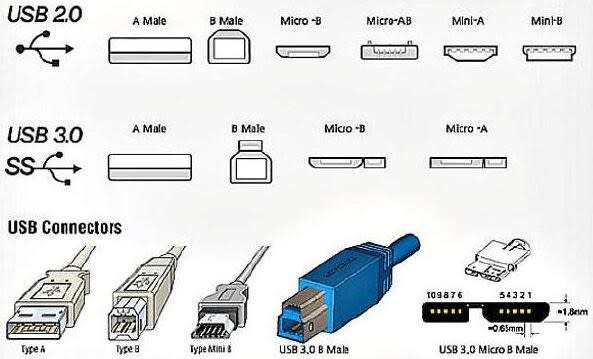
The Evolution of USB Ports: From USB 1.0 to USB-C
The evolution of USB ports has significantly impacted how we connect and charge devices over the last few decades. Introduced in 1996, USB 1.0 revolutionized data transfer with speeds of up to 1.5 Mbps, paving the way for a more standardized approach to cable connections. With the release of USB 2.0 in 2000, speeds increased dramatically to 480 Mbps, enabling faster data transfers and making it the go-to connector for a vast array of peripherals ranging from printers to external storage devices.
Fast forward to the introduction of USB 3.0 in 2008, which brought even greater speeds of up to 5 Gbps and improved power delivery capabilities. The latest advancement, USB-C, has further transformed connections with its reversible design and ability to provide up to 100 watts of power for charging. This modern standard has unified various protocols, allowing data, power, and video to flow through a single cable, thus cementing its place as an essential component of our digital lives.
If you're looking for a perfect blend of style and functionality, consider the Top 10 Nightstands with Charging Stations. These nightstands not only provide a convenient place to keep your essentials but also feature built-in charging options for your devices. With various designs and finishes available, you can easily find one that complements your bedroom decor.
10 Essential Uses of USB Ports You Didn't Know About
USB ports are often seen as simple connections for charging devices or transferring data, but their essential uses extend far beyond these basic functions. For instance, did you know that you can use USB ports to connect various peripherals? This includes everything from external hard drives to high-quality webcams, allowing you to enhance your setup quickly and easily. Additionally, USB ports can even support adapters for connecting different types of devices, such as HDMI or Ethernet, broadening the scope of functionality available through a single port.
Moreover, USB ports can power a multitude of devices that require minimal energy, including small gadgets like lights or fans. Some innovative uses include using a USB port to power a smartphone dock or even connecting multiple devices through a USB hub, which can facilitate more efficient workflow in a crowded workspace. In fact, some modern appliances even feature USB ports for firmware updates, eliminating the need for cumbersome software installations. Understanding these 10 essential uses of USB ports can significantly enhance your tech experience!
What Makes USB Ports So Crucial for Modern Devices?
In today's increasingly interconnected world, USB ports have become an essential feature of modern devices, serving as a universal standard for data transfer and power supply. The convenience they offer is unparalleled; imagine charging your smartphone, transferring photos from your camera, and connecting a keyboard or mouse to your laptop, all through the same type of port. This versatility not only simplifies the user experience but also reduces the clutter of cables and adapters that once filled our desks. With the advent of technologies like USB-C, which supports faster data rates and higher power delivery, the significance of USB ports has surged, proving vital for both consumer electronics and professional applications.
Moreover, the importance of USB ports extends beyond personal use; they play a crucial role in enabling various industries to thrive. For example, in the realm of entertainment, USB ports have made it easier to connect devices for streaming and gaming. In healthcare, equipment such as diagnostic tools and monitoring devices often rely on USB ports for transferring critical data. Additionally, their ability to stream power allows for innovative solutions, like charging electric vehicles or powering smart home devices with minimal effort. Ultimately, understanding what makes USB ports so crucial can help users appreciate their role in shaping the functionality and compatibility of the devices we rely on every day.