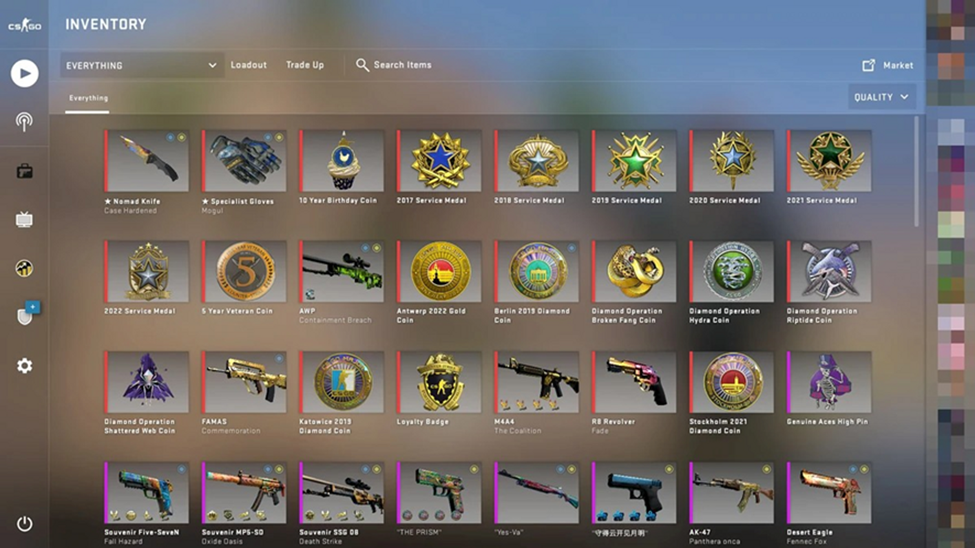
Understanding Steam Inventory Rollback: What It Means for Your Gaming Experience
The Steam Inventory Rollback feature is designed to protect players' inventory data from erroneous changes caused by glitches or hacking. When a rollback occurs, Steam restores users' inventories to a previous state, allowing them to recover lost items or currency. This process can be both a blessing and a curse, especially for active traders and gamers who rely on the consistent value of their inventories. The goal of this feature is to maintain fairness in the gaming community, but it can also create confusion and frustration when players find themselves missing items unexpectedly.
Understanding the implications of Steam Inventory Rollback is essential for gamers who engage in trading or rely on their in-game item collections. For instance, players might wake up to discover that their inventory has reverted to a state from several hours or days ago. To minimize the impact of rollbacks, players are encouraged to regularly back up their inventory details and remain aware of any recent trading activity. Additionally, keeping an eye on official announcements from Steam regarding maintenance or security updates can help ensure a smoother gaming experience.
Counter-Strike is a highly competitive first-person shooter that pits teams against each other in various objective-based scenarios. Players must utilize teamwork, strategy, and skill to outmaneuver their opponents. For those interested in trading in-game items, you can learn how to reverse trade cs2 to enhance your experience.
Top 5 Reasons for Steam Inventory Rollbacks and How to Prevent Them
Steam inventory rollbacks can be a frustrating experience for gamers and traders alike. Here are the top 5 reasons why these rollbacks occur:
- Server Issues: Outages or maintenance on Steam's servers can lead to data inconsistencies.
- Account Security: Suspicious activity or unauthorized access can trigger a rollback to protect user accounts.
- Item Duplication Exploits: Certain bugs or exploits can cause items to duplicate, leading to corrective actions by Steam.
- Trade Disputes: If a trade is contested, it could result in a rollback to rectify any potential unfairness.
- Updates and Patches: New updates might inadvertently cause glitches that impact inventory stability.
To prevent Steam inventory rollbacks, users can take several precautions:
- Enable Two-Factor Authentication: This adds an extra layer of security to your account.
- Monitor Account Activity: Regularly check for any unusual actions or trades on your account.
- Stay Informed: Keep up with Steam's updates and community discussions to understand potential issues.
- Limit Third-Party Applications: Avoid using unofficial trading bots or platforms that can jeopardize your account’s integrity.
- Regular Backups: While not always possible, keeping a record of valuable items may help in case of rollback incidents.
FAQ: What Happens to Your Items During a Steam Inventory Rollback?
When a Steam inventory rollback occurs, it typically means that your items will revert to their previous states as captured during the last saved backup. This process can be triggered by various factors, including system errors or fraudulent activities, resulting in the need to restore inventory data. During this rollback, you may find that recently acquired items or trades that happened after the last backup are no longer present in your inventory.
Moreover, it's crucial to understand that this rollback can significantly impact your game experience. Players may notice that certain items, skins, or assets have disappeared, frustrating especially those who made trades or purchases shortly before the rollback. If you have questions about specific items or seek clarification on the rollback process, consult the Steam support page, as they provide official guidance and resources to help you navigate these situations effectively.