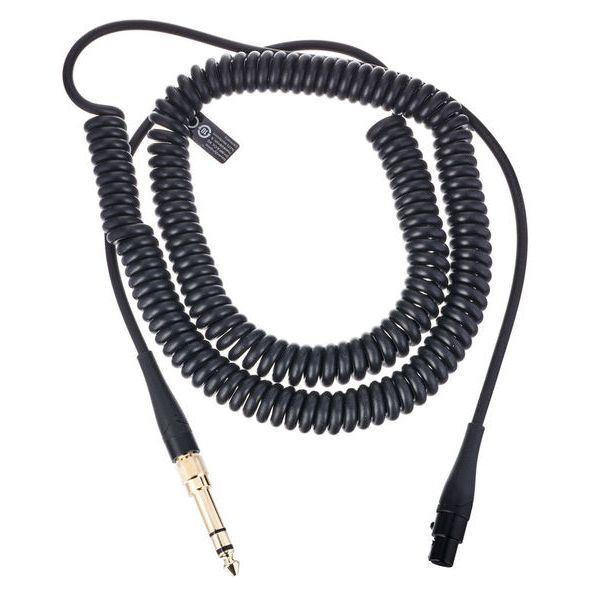
The Evolution of Coiled Cables: From Telephone Lines to Modern Tech
The journey of coiled cables can be traced back to their inception in the early days of telecommunications. Initially developed for use in telephone lines, these cables were designed to minimize signal interference and manage the physical constraints of wiring in homes and businesses. The unique design of coiled cables not only allowed for flexibility and ease of use, but also contributed to the overall longevity of the cables, making them ideal for the bustling communication needs of the 20th century. As technology evolved, the demand for more efficient and durable solutions led to advanced materials and designs, paving the way for their adaptation in various modern devices.
In today's high-tech landscape, coiled cables have found new applications far beyond traditional telephony. They are now commonly used in areas such as audio equipment, where they help manage cable clutter while maintaining high-quality sound transmission. The rise of portable devices has further popularized the use of coiled cables, allowing users to enjoy the convenience of a compact, tangle-free solution. As we continue to push the boundaries of technology, coiled cables are set to remain an integral part of our daily lives, showcasing their adaptability and enduring relevance in an ever-evolving digital world.
Coiled keyboard cables have become increasingly popular among enthusiasts for their unique aesthetic and flexibility. They provide a neat and organized setup while allowing for easy movement across your desk. Check out the Top 10 Coiled Keyboard Cables to find the perfect option for your setup.
How Coiled Cables Improve Efficiency in Everyday Devices
Coiled cables have become a staple in modern technology, offering a range of benefits that significantly improve the efficiency of everyday devices. These cables are designed to take up less space while ensuring a robust connection, making them ideal for various applications, from smartphones to office equipment. The coiled design not only minimizes clutter but also reduces the risk of tangling, allowing users to enjoy seamless functionality without the frustration of tangled wires. By using coiled cables, manufacturers can create products that are not only more aesthetically pleasing but also more practical for daily use.
Furthermore, the unique structure of coiled cables contributes to a longer lifespan compared to traditional straight cables. Their elastic properties enable them to withstand repeated bending and twisting without compromising performance. This durability not only saves money in the long run but also promotes sustainability, as fewer cables need to be discarded or replaced. In an era where efficiency is paramount, coiled cables provide a reliable solution to common connectivity problems, making them an essential component in enhancing the functionality of everyday devices.
What Makes Coiled Cables a Necessary Component in Modern Electronics?
Coiled cables play a crucial role in modern electronics, providing both functionality and efficiency. Their unique design, characterized by a spiral structure, allows for flexibility and space-saving qualities, making them ideal for various applications. For instance, in crowded environments like offices and homes, the compact nature of coiled cables minimizes tangling and clutter. Furthermore, they are often used in devices such as telephone headsets, musical instruments, and computer peripherals, where movement and adaptability are essential.
Another significant advantage of coiled cables is their ability to withstand wear and tear. The coiling provides protection against bending and breaking, ensuring a longer lifespan compared to traditional cables. Additionally, many coiled cables are designed with high-quality materials that enhance their durability and performance, making them a reliable choice for consumers and manufacturers alike. As technology continues to evolve, the integration of coiled cables in electronic devices will remain vital, further emphasizing their necessity in the ever-changing landscape of modern electronics.